
Community
Woman dies 2 weeks after apparent road rage shooting in Brighton Park
By Mark Thompson
Advertisement · Why this ad?
Keisha Patel, a former athlete and graduate of the University of Chicago, has spent the last seven years covering local high school and college sports. Her passion for sports shines through her articles, encouraging community support for local teams.
More from Keisha →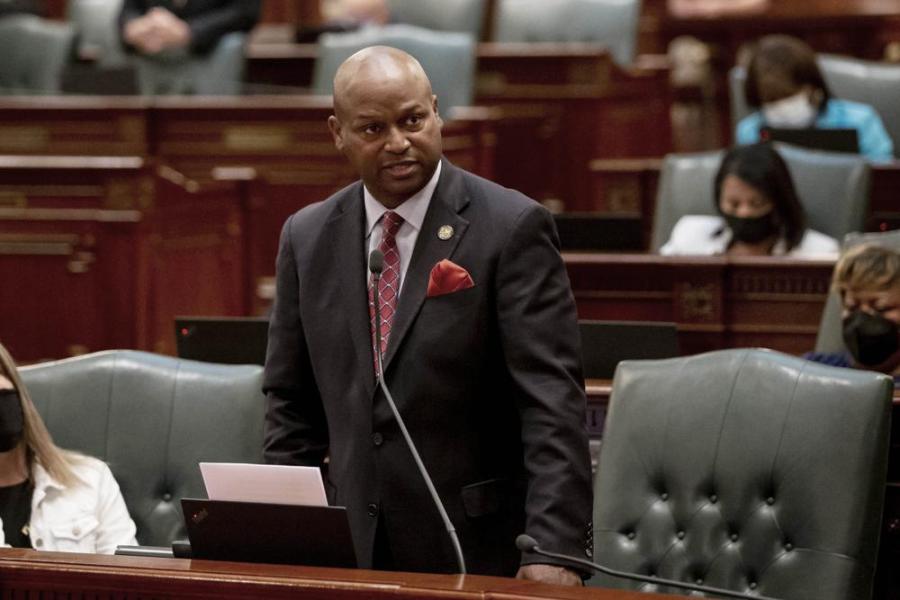
In a surprising turn of events, the political landscape of the Illinois State House is shifting as 26 current and incoming members of the Democratic Caucus have declared their refusal to support Emanuel "Chris" Welch in his bid to continue as House speaker. This bold move has sent ripples through the political community, igniting discussions about leadership, unity, and the future direction of the House.
For six years, Emanuel "Chris" Welch has held the title of House speaker, navigating the complexities of Illinois politics with a steady hand. However, on a recent day in early October, the tide began to turn against him. A coalition of 26 Democratic members voiced their discontent, signaling a significant shift in support. This group includes both current members and newly elected representatives, highlighting a growing divide within the party.
The dissenting members have expressed concerns over Welch's leadership style and the direction he has taken the House. Many feel that the time has come for a fresh perspective and a new approach to governance. With the upcoming session on the horizon, this group is mobilizing to ensure their voices are heard and that their collective dissatisfaction is not overlooked.
As the political landscape continues to evolve, the implications of this decision could be far-reaching. The House speaker plays a crucial role in shaping legislation and guiding the Democratic agenda in Illinois. A shift in leadership could signal a new chapter for the party, one that may redefine its priorities and strategies in the coming years.
The reaction from the community has been one of intrigue and speculation. Many residents are closely following the developments, eager to understand how this leadership change could impact local governance and community initiatives. Some constituents have voiced their support for the dissenting members, applauding their courage to challenge the status quo.
Local activist groups have also begun to rally around the idea of new leadership, organizing discussions and forums to engage the public in the conversation. They believe that fresh leadership could invigorate the Democratic Caucus and lead to more responsive governance that reflects the needs of the community.
“It’s about time someone stood up and said enough is enough,” said Jane Thompson, a local community organizer. “We need leaders who listen to the people and are willing to make tough decisions for the future of our state.” Many residents echo her sentiments, feeling that a leadership change could bring renewed energy and focus to pressing issues such as education, healthcare, and public safety.
However, not everyone is on board with the idea of a leadership change. Some constituents fear that instability within the party could lead to a lack of cohesion in addressing critical issues facing Illinois. “We need strong leadership now more than ever,” remarked Tom Harris, a long-time supporter of Welch. “Changing the speaker could create unnecessary turmoil when we need to be united in our efforts.”
As the dust settles from this announcement, all eyes will be on the Illinois State House as it prepares for the upcoming legislative session. The dissenting members are expected to push for a candidate who aligns more closely with their vision for the future of Illinois, but the question remains: who will emerge as a viable alternative to Welch?
Potential candidates are already being discussed within political circles, with names being tossed around as possible successors. The process of selecting a new speaker, if it comes to that, could be contentious and will likely involve negotiations and compromises among the various factions within the Democratic Party.
Despite the challenges ahead, many community leaders are calling for unity within the party. They emphasize the importance of coming together to address the pressing issues facing Illinois residents. “We can’t afford to let personal grievances overshadow the work that needs to be done,” said local faith leader Rev. Mark Johnson. “We need to focus on what truly matters – serving our communities and building a better future for our families.”
As the situation unfolds, the commitment to strong families and community values remains at the forefront of many discussions. The hope is that regardless of who leads the House, the focus will remain on fostering a stable and prosperous environment for all Illinoisans.
This political maneuvering is not just about one individual but reflects deeper currents within the Illinois Democratic Party and the broader electorate. Many of the dissenting members are advocating for policies that resonate with younger voters and those in marginalized communities who feel their voices have been overlooked. Issues such as climate change, social justice, and economic equity are at the forefront of their agenda.
Moreover, the timing of this dissent is crucial. With the 2024 elections approaching, the stakes are high. The Democratic Party in Illinois is keenly aware that they must rally behind a candidate who can galvanize support not only within the party but also among the electorate at large. This is a moment for the party to reassess its strategies and priorities, ensuring they align with the needs and desires of their constituents.
In light of these developments, there is a growing emphasis on engaging younger voters who have increasingly become disenchanted with traditional politics. Local organizations are stepping up their efforts to educate and mobilize these voters, emphasizing the importance of their participation in shaping the future of governance in Illinois. “We want to ensure that the voices of our youth are not just heard but are actively influencing policy,” said Marcus Lee, a youth activist involved in organizing community forums. “This is about building a future that reflects our values and priorities.”
As the community navigates this pivotal moment, the focus on inclusivity and representation is paramount. The hope is that whatever leadership emerges from this situation will prioritize outreach and engagement, ensuring that all Illinoisans feel represented in the legislative process.
The political landscape in Illinois is ever-changing, and the recent decision by 26 Democratic members to withhold support for Emanuel "Chris" Welch as House speaker reflects a broader desire for change within the party. As the community watches closely, the outcome of this situation will undoubtedly shape the future of Illinois governance. Whether it leads to a new speaker or a reevaluation of Welch's leadership, one thing is clear: the voices of the people are being heard, and their desire for a more responsive and united government is stronger than ever.
By Mark Thompson

By Keisha Patel

By Mark Thompson
By Mark Thompson